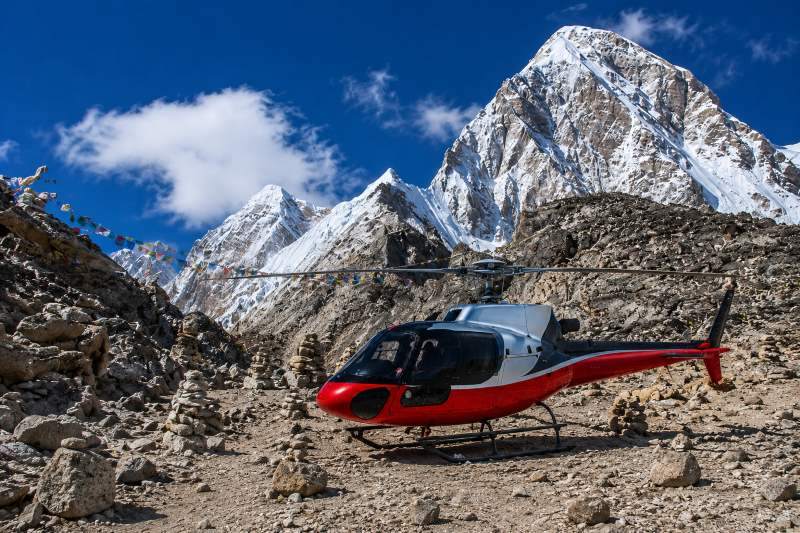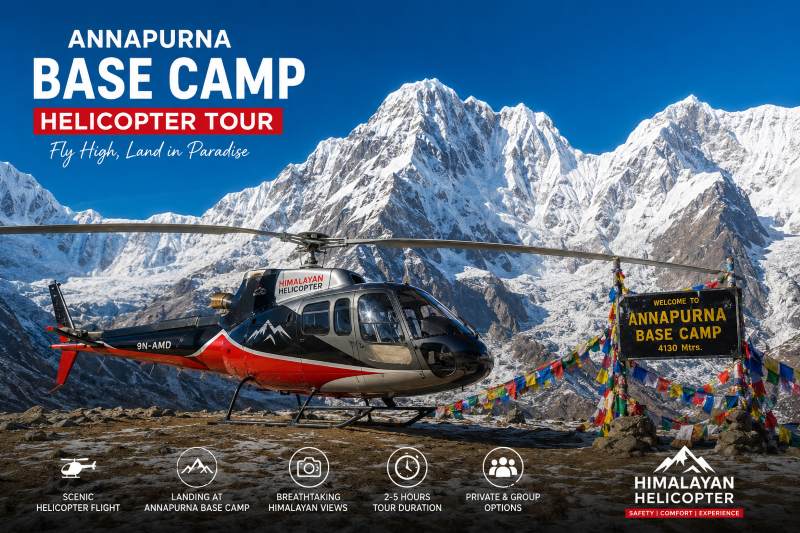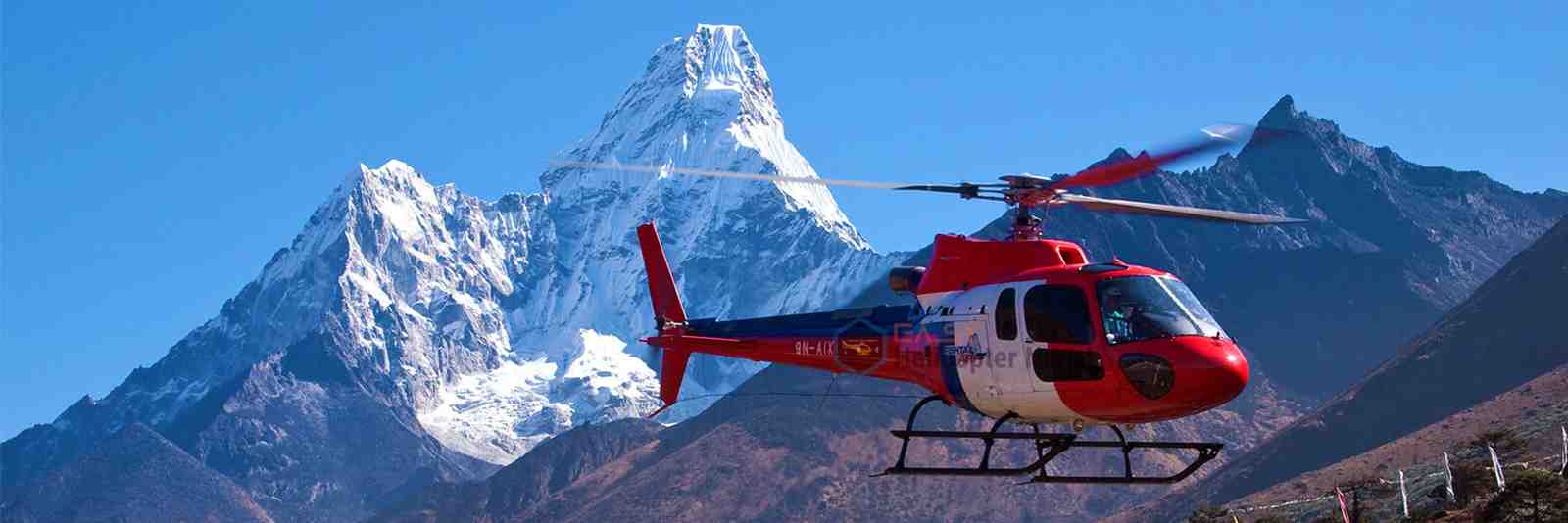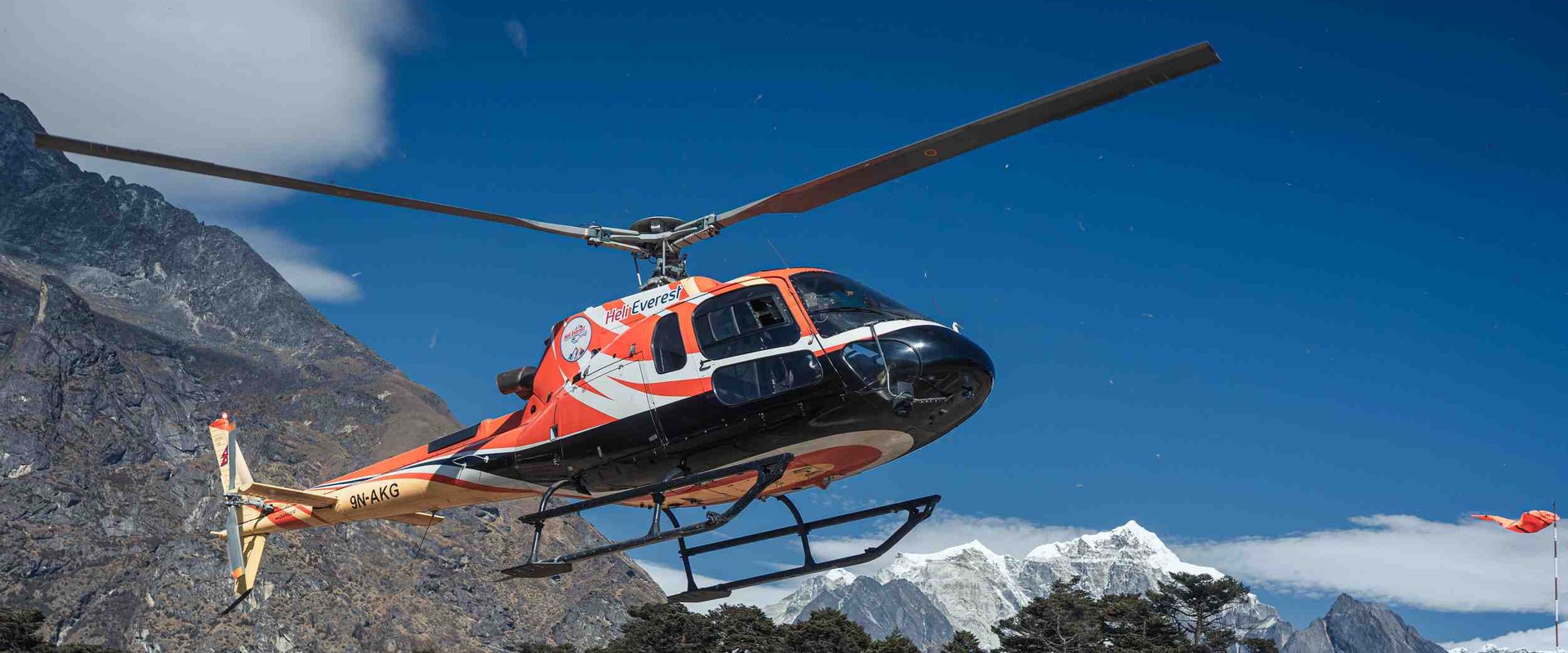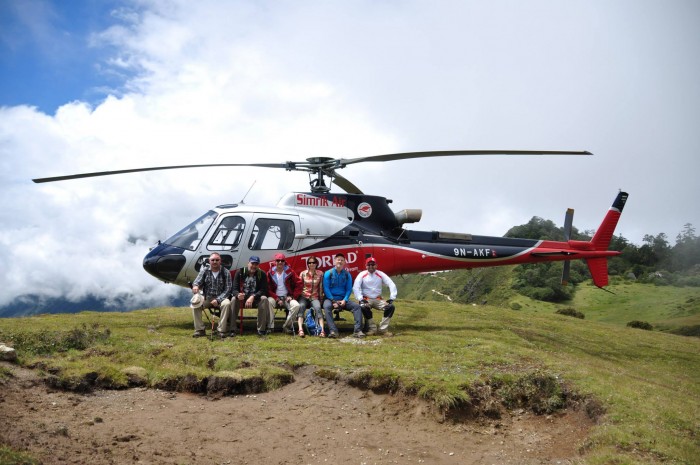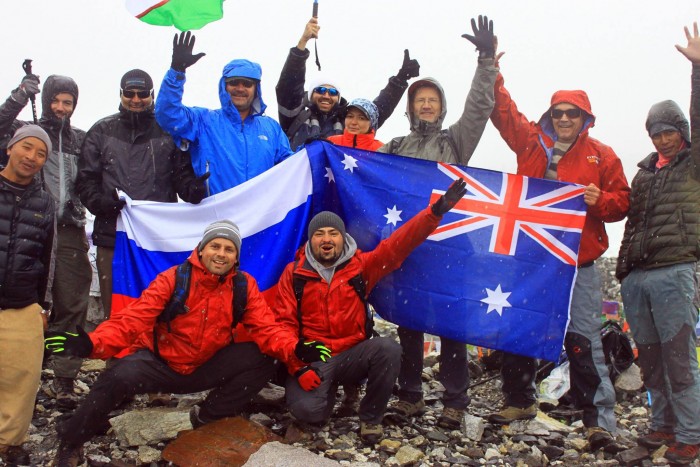
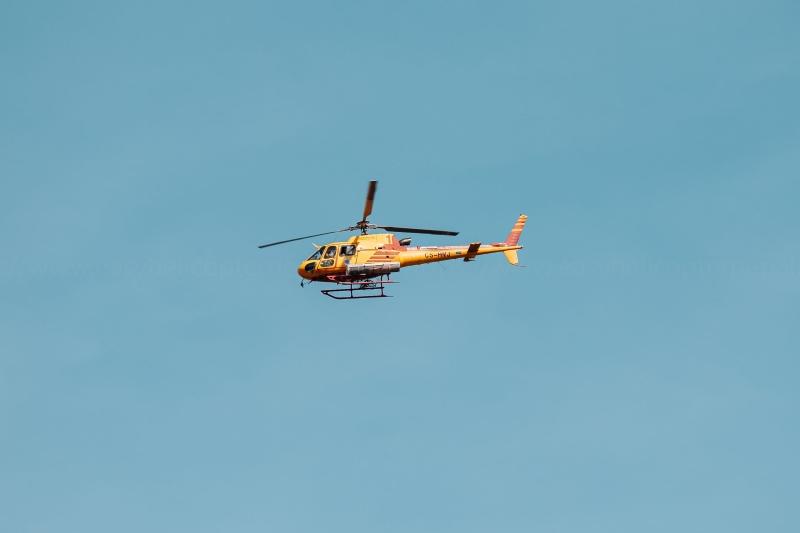
Baruntse is a magnificent and demanding mountain in the remote border country between the Khumbu and the Makalu-Barun region, rising to 7,129 metres in the upper Hongu valley — a glacier-carved wilderness that sits between the great mountain walls of the Khumbu to the west and the Makalu massif to the east. One of Nepal's most sought-after high-altitude mountaineering objectives for experienced climbers, Baruntse sits at the heart of a region so remote that reaching its base camp on foot requires an approach of ten days or more from the nearest roadhead, crossing high passes and traversing some of the most demanding and least-visited terrain in the Nepali Himalaya. The Baruntse Base Camp Helicopter Shuttle with Himalayan Helicopter provides direct access to this extraordinary destination by air — flying from Kathmandu, via a refuelling stop at Tumlingtar in the Arun valley, to land at or near Baruntse Base Camp in the upper Hongu valley.
This shuttle serves two distinct groups. Baruntse climbing expeditions — the primary and dominant user of this route — use it for two critical purposes: expedition logistics, positioning teams, equipment, and supplies in the upper Hongu valley as efficiently as possible within the constraints of a fixed climbing permit window; and emergency rescue and medical evacuation when climbers or support personnel on or around Baruntse require helicopter assistance that cannot be provided by ground-based resources. Local and regional travellers in the extremely remote communities of the upper Hongu and surrounding valleys — one of the most isolated inhabited areas in all of Nepal — also use this shuttle for essential personal and logistical travel between their communities and the outside world.
This service operates exclusively as a private charter. Every flight is a bespoke mission planned in direct coordination with the expedition team, the rescue coordinator, or the individual traveller requiring access, assessed in real time against weather conditions, aircraft performance at altitude, and the specific requirements of the mission. There are no scheduled departures and no shared bookings on this route.
Baruntse Base Camp in the upper Hongu valley is, by any measure, one of the most remote major climbing destinations in Nepal. The approach on foot involves crossing the Amphu Laptsa pass from the Khumbu or approaching via the Hongu valley from other directions, all of which require multiple days of technical and demanding travel through terrain that has no trekking infrastructure, no teahouses, and no helicopter pads prepared in advance. The helicopter shuttle to Baruntse Base Camp replaces this entire approach with a single flight, giving climbing teams immediate access to one of Nepal's most extraordinary and challenging mountain environments.
The routing for this shuttle runs east from Kathmandu to Tumlingtar in the Arun valley for a refuelling stop, before the helicopter continues north and west toward the upper Hongu valley and the Baruntse base camp area. This routing takes the helicopter through the dramatic eastern Nepal mid-hills and into the high terrain between the Makalu and Khumbu massifs, with an aerial perspective on a part of Nepal that almost no visitor ever sees from any vantage point. The approach to the Hongu valley from the east, with the great peaks of Baruntse, Chamlang, and the southern Khumbu wall all visible as the helicopter climbs toward the landing site, is one of the most remote and visually striking aerial approaches in the Himalayan Helicopter network.
Baruntse climbing permits are issued for fixed periods, and the competition between approach days, acclimatisation requirements, weather windows, and the summit push itself means that every day saved on the approach is a day gained for the climb. Teams that fly to Baruntse Base Camp rather than trekking the full approach arrive with the maximum possible number of days available for acclimatisation rotations, high camp establishment, and summit attempts. For expeditions targeting Baruntse within a compact permit window, the helicopter shuttle is not merely convenient — it is often what makes the summit attempt realistic within the available time.
The extreme remoteness of the Baruntse and upper Hongu region makes it one of the most challenging rescue environments in Nepal. When a climber or expedition member on or near Baruntse requires evacuation, ground-based rescue from this location is an undertaking of days to weeks depending on the specific position on the mountain. Helicopter rescue — when weather and altitude conditions allow — is the only realistic option for rapid evacuation. Himalayan Helicopter maintains emergency rescue availability for Baruntse operations during the active climbing seasons, with pilots experienced in the terrain and approach conditions of the upper Hongu valley and the surrounding peaks.
The handful of communities that maintain a seasonal or permanent presence in the upper Hongu valley and surrounding terrain are among the most isolated in all of Nepal. The helicopter shuttle provides their only practical fast connection to Kathmandu for medical emergencies, essential supplies, and personal travel, and Himalayan Helicopter takes this responsibility seriously as part of our broader commitment to serving remote Nepal communities alongside our expedition and tourism operations.
Every Baruntse Base Camp helicopter flight is a bespoke private charter mission. The remoteness of the destination, the demanding routing, the variability of weather in the upper Hongu and Arun regions, and the specific and individual requirements of different expedition teams and rescue scenarios make a shared or scheduled service format entirely inappropriate. Every flight is planned, assessed, and conducted as a mission-specific operation in direct coordination with the requesting party.
Baruntse Base Camp sits at a serious altitude in the upper Hongu valley, and the specific elevation of landing sites in this area varies with the terrain and the specific requirements of the expedition or mission. All guests and expedition team members arriving at altitude by helicopter rather than on foot must consult their physician before travel, carry appropriate altitude medication, and arrive with a clear acclimatisation plan. For climbing expeditions, altitude management should be integrated into the expedition's existing medical protocols. Our team discusses altitude considerations with every booking at the time of planning.
Every Baruntse Base Camp shuttle begins with a detailed planning conversation between Himalayan Helicopter's operations team and the expedition leader, rescue coordinator, or individual traveller requesting the service. This covers the specific nature of the mission — logistics or rescue — the number of passengers and their equipment, the precise landing site location and altitude, the preferred timing window, and any specific requirements or constraints the mission involves. For expedition teams, this planning ideally begins before the team departs Kathmandu for the mountain, establishing communication protocols and mission information in advance that allows a faster and more effective response when the shuttle is needed.
The helicopter departs Kathmandu and heads east toward Tumlingtar, crossing the central and eastern Nepal mid-hills. The routing east to Tumlingtar gives the aircraft the refuelling capacity needed for the onward flight north and west into the upper Hongu terrain.
Tumlingtar airstrip in the Arun valley serves as the refuelling and technical stop for this route, positioned at a practical lower-altitude staging point before the high terrain of the upper Hongu approach.
From Tumlingtar, the helicopter heads north and west into the high terrain between the Makalu and Khumbu massifs, climbing through the dramatic and progressively more remote landscape of the upper Arun and Hongu drainage before approaching the Baruntse base camp area. The great peaks of the upper Hongu wall appear progressively on the approach, with Baruntse's distinctive summit rising above the glacier terrain of the upper valley.
Depending on the nature of the mission, on-site operations at Baruntse Base Camp range from the offloading of expedition equipment and personnel for a logistics mission to the immediate loading and evacuation of a casualty for a rescue flight. In all cases, operations at the landing site are conducted as efficiently and safely as possible, with the pilot maintaining full situational awareness of weather conditions and aircraft performance throughout.
After completing the on-site mission, the helicopter returns to Kathmandu via Tumlingtar. For rescue flights, the casualty is transported to the most appropriate medical facility in Kathmandu as quickly as possible, with Himalayan Helicopter's team coordinating with receiving medical staff en route where communication allows.
This service operates exclusively as a private charter, and pricing reflects the full aircraft cost for the complete Kathmandu-Tumlingtar-Baruntse Base Camp routing, the specialised pilot experience required, and the mission-specific nature of every flight. Cost varies with group size, equipment load, mission type, and prevailing operational conditions.
Contact Himalayan Helicopter directly for pricing specific to your expedition or mission requirements. For emergency rescues, cost must never delay the initial call — contact our emergency line immediately and discuss financial arrangements once the rescue is underway.
The primary Baruntse climbing season with the most stable high-altitude weather windows in the upper Hongu region and the most reliable flying conditions for the Tumlingtar routing. The most active period for both expedition logistics and emergency preparedness on this route.
The second climbing season for Baruntse with excellent post-monsoon visibility and generally stable flying conditions. Advance coordination with Himalayan Helicopter is recommended for autumn expedition teams.
Winter conditions in the upper Hongu valley are extreme and Baruntse climbing is not generally attempted in this season. Monsoon cloud and precipitation severely limit flying operations in the Arun and Hongu regions from June through August. Emergency rescue capability is maintained year-round but planned logistics missions during these periods are subject to significant weather constraints.
Baruntse climbing expeditions using the shuttle for logistics — positioning teams, equipment, supplies, and high camp material in the upper Hongu valley — and for emergency rescue when climbers or support staff require evacuation.
Expedition support teams and logistics coordinators managing the supply chain for Baruntse expeditions who need to move equipment between Kathmandu and the upper Hongu valley efficiently within the expedition's operational timeline.
Local and seasonal community members of the upper Hongu valley who depend on helicopter connectivity for medical emergencies, essential supplies, and personal travel between their communities and Kathmandu.
Emergency rescue coordinators and response teams requiring helicopter support for incidents in the upper Hongu and surrounding remote terrain.
The Baruntse Base Camp Helicopter Shuttle is one of the most demanding remote mountain operations in our network, requiring the highest level of piloting expertise, the most thorough pre-mission planning, and genuine experience with the specific terrain and weather of the upper Hongu valley and the eastern Nepal ranges. Himalayan Helicopter brings all of this to every Baruntse mission, along with our commitment to the remote communities of the Hongu valley and our around-the-clock emergency response capability during the climbing seasons. When your expedition's success — or your team's safety — depends on helicopter support in one of Nepal's most remote mountain environments, Himalayan Helicopter is the operator with the experience, the capability, and the commitment to be there.
For pre-expedition coordination, logistics mission planning, and general enquiries, contact Himalayan Helicopter through our standard operations channels as early in your planning cycle as possible.
For emergency rescue, contact our 24-hour emergency line immediately. Do not delay the call — contact us first and provide additional information as it becomes available. Our team will begin mission assessment immediately and respond as quickly as weather and conditions allow.
The helicopter departs Kathmandu and flies east to Tumlingtar in the Arun valley for a technical refuelling stop, then continues north and west into the upper Hongu valley to land at or near Baruntse Base Camp.
Himalayan Helicopter maintains 24-hour emergency rescue availability during the active spring and autumn climbing seasons. Emergency rescue response outside the climbing seasons is subject to aircraft availability and operational conditions — contact our emergency line immediately regardless of season and our team will assess and respond as quickly as operationally possible.
Comprehensive expedition insurance with helicopter rescue coverage is non-negotiable for all Baruntse climbing team members. Policy terms vary — verify that your specific policy covers helicopter rescue at the altitudes relevant to Baruntse operations before the expedition departs. For emergency rescues, contact our emergency line immediately and resolve insurance details subsequently.
Load capacity depends on the specific altitude of the landing site, aircraft type, temperature, and other performance factors. Contact our team with your specific equipment requirements during the pre-expedition planning phase and we will assess load feasibility for your specific mission profile.
 Maximum: 5 People/Helicopter
Best price guaranteed
Safe Tour Plan
Maximum: 5 People/Helicopter
Best price guaranteed
Safe Tour Plan
Response Time 0-2 Hours , Response Rate 100%
© 2026 All rights reserved. Himalayan Helicopters Pvt. Ltd.