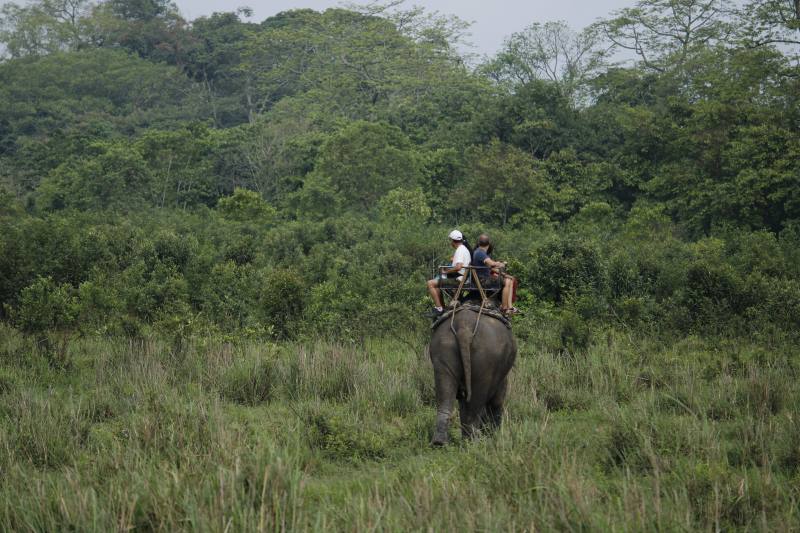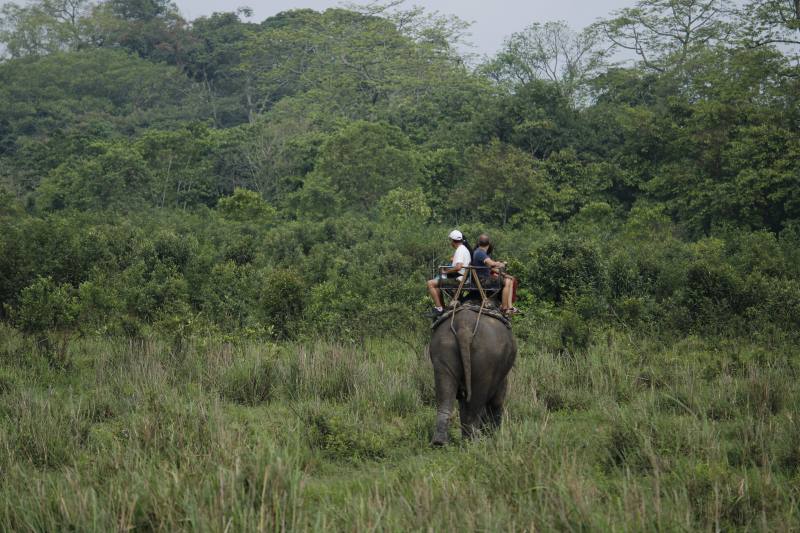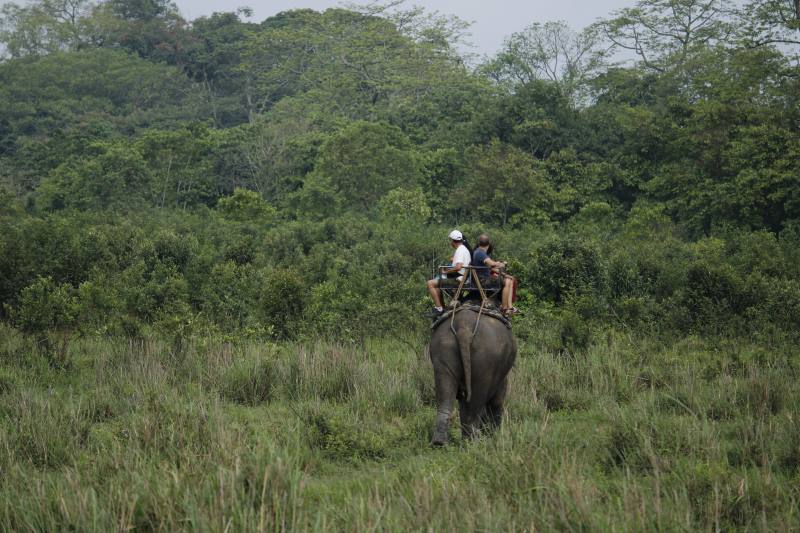
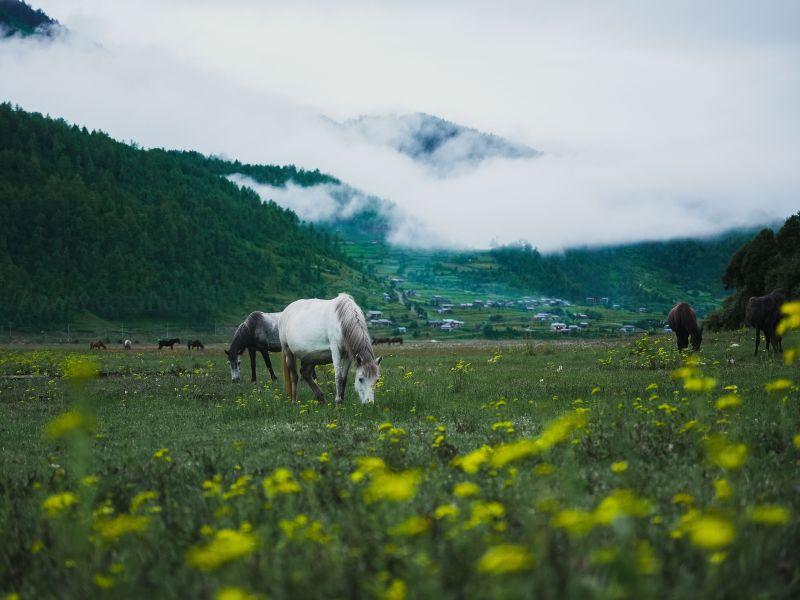
Escape the ordinary and venture deep into Nepal's most pristine jungle sanctuary. Himalayan Helicopter brings you an exclusive helicopter experience to Parsa Wildlife Reserve — Nepal's largest and least-explored wildlife haven, tucked away in the Terai lowlands of south-central Nepal.
Parsa Wildlife Reserve spans over 499 square kilometers of hills and flatlands in Nepal's Terai region, covering the districts of Chitwan, Makawanpur, Parsa, and Bara. Established as a protected area, it lies adjacent to Chitwan National Park and the Barandabhar Corridor, forming a vital ecological corridor for wildlife in the region.
Unlike its more famous neighbour Chitwan, Parsa offers something increasingly rare — a quieter, more intimate safari experience with fewer crowds and a higher chance of witnessing wild animals in their natural habitat.
Parsa is a true sanctuary for some of Asia's most iconic animals. The reserve supports a healthy population of wild elephants, tigers, leopards, sloth bears, gaur, blue bulls, and wild dogs. Other commonly spotted animals include sambar, chital, hog deer, barking deer, langur monkeys, rhesus macaques, striped hyenas, palm civets, and jungle cats.
Parsa is particularly known as a refuge for the Royal Bengal Tiger. It is widely believed that many adult tigers from Chitwan migrate into Parsa — drawn by its vast, undisturbed forests and relative seclusion from tourist activity.
The reserve is home to 527 species of birds, including the endangered great hornbill found in certain pockets of the forest. Other notable species include peafowl, red jungle fowl, flycatchers, and woodpeckers — making Parsa a dream destination for birdwatchers and nature photographers alike.
The dominant landscape of the reserve is the Churiya hills, ranging from 750 m to 950 m in elevation, running east to west through the reserve. The vegetation is primarily sub-tropical, with sal constituting around 90% of the forest cover. Along the Churiya hills and streams, chir pine, khair, sissoo, and silk cotton trees can be found, along with sabai grass along the southern face of the hills.
Your wildlife camp experience includes a range of immersive jungle activities:
Reaching Parsa overland from Kathmandu takes up to eight hours by road. An alternative is to fly to Simra in the Bara district, from where the reserve headquarters is only seven kilometers away. With Himalayan Helicopter, your journey is transformed — skip the long drive and arrive refreshed, with breathtaking aerial views of the Terai plains and Churia hills along the way. More time in nature, less time on the road.
The ideal time to visit Parsa Wildlife Reserve is from October to May, when the jungle is accessible and wildlife sightings are at their peak. The dry season (February to April) is especially rewarding for tiger and elephant sightings as animals congregate near water sources.
Whether you are a wildlife enthusiast, a birdwatcher, or simply seeking a peaceful retreat into Nepal's raw natural beauty, Parsa Wildlife Camp offers an unforgettable escape. Let Himalayan Helicopter take you there in style.
Contact us today to plan your exclusive Parsa Wildlife Camp helicopter package.
 Maximum: 5 People/Helicopter
Best price guaranteed
Safe Tour Plan
Maximum: 5 People/Helicopter
Best price guaranteed
Safe Tour Plan
Response Time 0-2 Hours , Response Rate 100%
© 2026 All rights reserved. Himalayan Helicopters Pvt. Ltd.