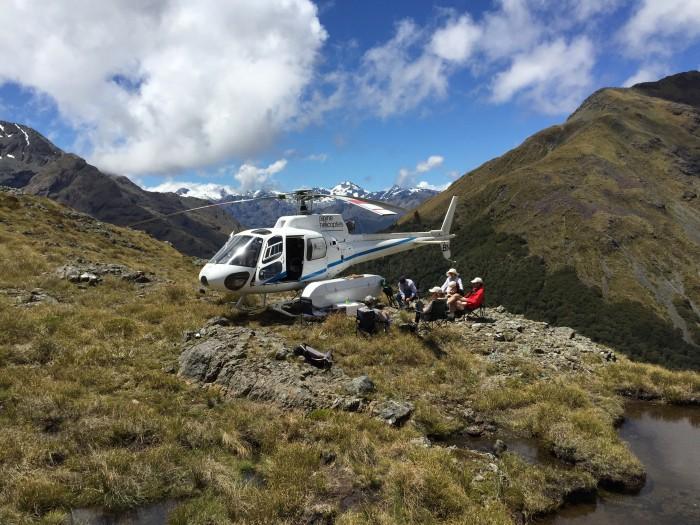
Thangnak sits at approximately 4,356 metres in the upper Hinku valley, higher and deeper into the remote terrain above Kothe, and closer to the high glacial approaches to Mera Peak than any other regularly served helicopter landing in the valley. For Mera Peak climbing expeditions, Thangnak is the critical staging village — the last significant settlement before the trail enters the truly high-altitude glacier terrain leading toward Mera La and the Mera Peak base camp areas above. For the handful of local families and herders who maintain a presence here, it is one of the most remote permanently inhabited settlements in the Solukhumbu district, dependent on helicopter connectivity in a way that few other communities in eastern Nepal are.
The Kathmandu to Thangnak Helicopter Flight with Himalayan Helicopter flies directly from Kathmandu, via a technical stop at Lukla, to land at Thangnak in a single morning. Reaching Thangnak on foot from Lukla requires multiple demanding days of trekking, including the crossing of high passes and a lengthy traverse through the remote Hinku valley via Kothe, under trail conditions that are considerably more challenging than anything on the standard Khumbu trekking routes. The helicopter flight replaces all of this with a single morning journey, delivering climbing teams and trekkers directly to the upper Hinku valley already positioned for the high-altitude terrain immediately ahead.
At 4,356 metres, Thangnak is the highest helicopter landing in the Hinku valley series and carries the most significant altitude considerations of any flight in this corridor. Both private charter and shared seat bookings are available, with private charter strongly recommended for expedition teams travelling with climbing equipment and for groups where individual acclimatisation needs require scheduling flexibility.
Thangnak's position in the upper Hinku valley makes it the closest regularly served helicopter landing point to the Mera Peak approach routes and base camp areas. From Thangnak, the trail continues north toward Khare — the primary acclimatisation and base camp staging point for Mera Peak — and from Khare the high glacial approach to Mera La and the summit begins. Flying to Thangnak positions climbing teams at the absolute threshold of the high-altitude Mera Peak terrain, with only the most relevant and rewarding sections of the approach remaining on foot.
While the Kathmandu to Kothe flight serves the lower Hinku valley and provides general access to the region, the Thangnak flight goes further, landing in the upper valley where the landscape has transitioned from forested river valley to open, high-altitude terrain with the great peaks of the Mera massif beginning to dominate the skyline. Teams who specifically need to reach the upper Hinku valley efficiently — whether for Mera Peak, for research in the higher valley, or for logistical purposes involving the upper settlements — find Thangnak the more appropriate and time-efficient landing point.
The approach to Thangnak from Lukla involves not only the demanding trail conditions of the lower Hinku approach but the additional distance and altitude gain of reaching the upper valley above Kothe. Flying directly to Thangnak removes every one of these approach days, leaving only the most relevant high-altitude trekking and climbing days on the itinerary. For expedition teams on a fixed permit window, this time saving directly translates into more days available for acclimatisation rotations, weather windows, and summit attempts.
The families and seasonal herders of the upper Hinku valley around Thangnak are among the most isolated rural communities in all of Nepal. Medical emergencies, family travel, and essential logistical needs that cannot be addressed within the valley require connection to Kathmandu, and for people living at this distance from roads and standard aviation infrastructure, the helicopter is not a luxury — it is often the only viable option. Himalayan Helicopter's commitment to serving this route reflects our understanding that helicopter connectivity in remote Nepal carries a responsibility that goes beyond commercial tourism.
At 4,356 metres, Thangnak is the highest landing in the Hinku valley shuttle series and requires careful altitude planning for all guests arriving by helicopter. The standard approach on foot provides multiple days of gradual altitude gain before reaching this point, giving the body meaningful time to begin adapting. Flying directly bypasses this entirely. We strongly recommend that every guest booking this flight consult their physician before travel, discuss altitude medication including acetazolamide with a medical professional, and arrive with a clear and conservative acclimatisation plan for the days following landing. For climbing teams who will be moving to significantly higher elevations above Thangnak, this planning is particularly important. Our team is available to discuss responsible post-landing itinerary planning for every guest at the time of booking.
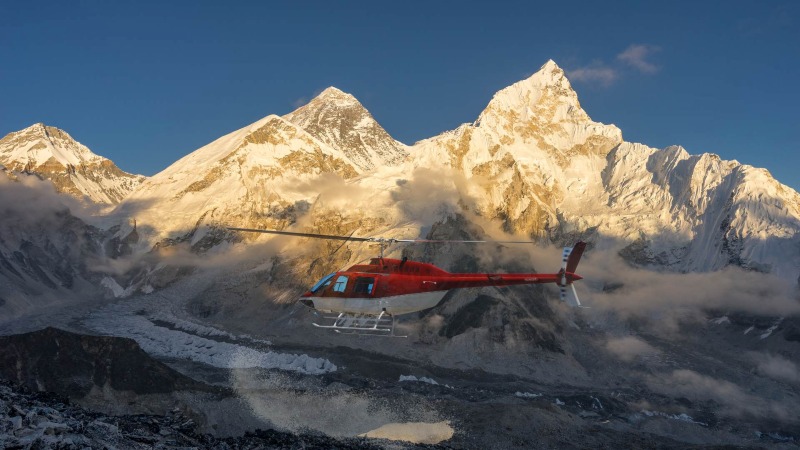
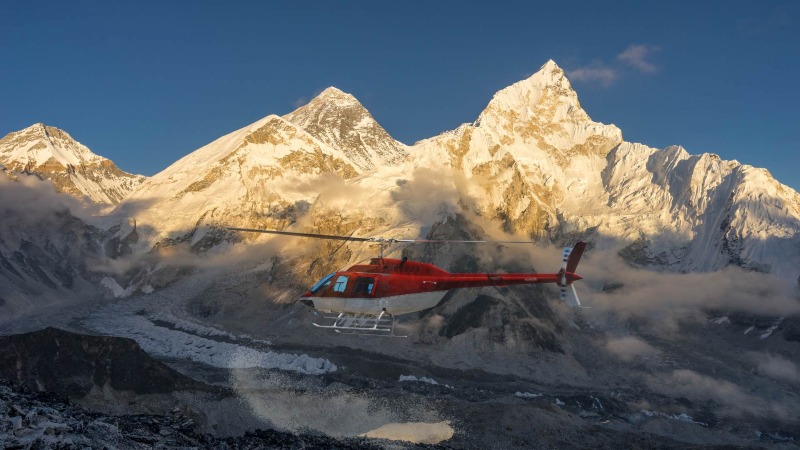
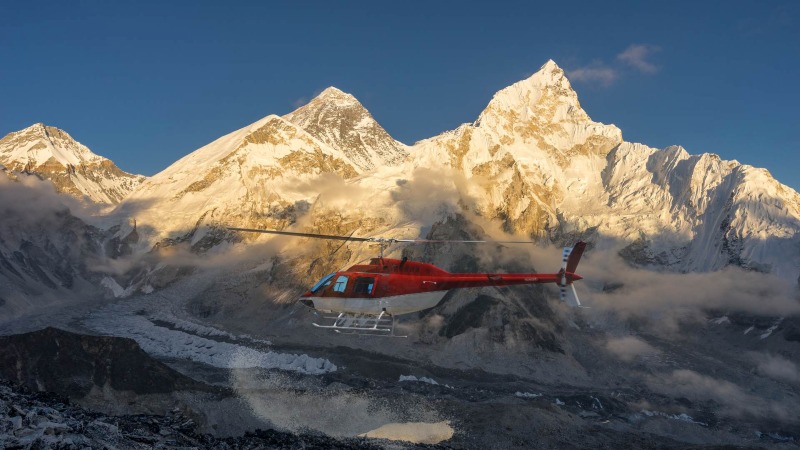
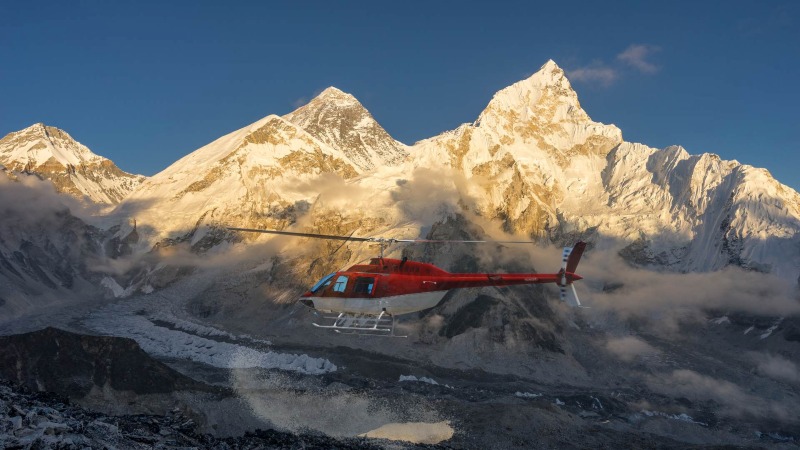
The flight from Lukla into the upper Hinku valley takes the helicopter through terrain that very few visitors to Nepal ever see from any perspective. The upper Hinku, with its broad glacial valley floor, the towering ridges of the Mera massif rising to the north, and the sense of genuine remoteness from the Khumbu's trekking infrastructure, makes the aerial approach to Thangnak one of the most distinctively remote and dramatic of any landing in the shuttle series.
This flight is available as a private charter, giving your group exclusive use of the aircraft and full scheduling and baggage flexibility — strongly recommended for expedition teams — or as a shared seat booking for individual trekkers and local residents.
Every guest booking this flight is encouraged to discuss post-landing acclimatisation planning with our team before departure. Expedition teams should also discuss equipment and baggage requirements in advance to ensure the most efficient loading and handling arrangements, particularly for private charter bookings carrying significant climbing gear.
Our team arranges early morning transfer from your Kathmandu hotel to the domestic airport, assists with check-in and baggage handling, and provides a pre-departure safety briefing with specific attention to altitude considerations for the Thangnak landing.
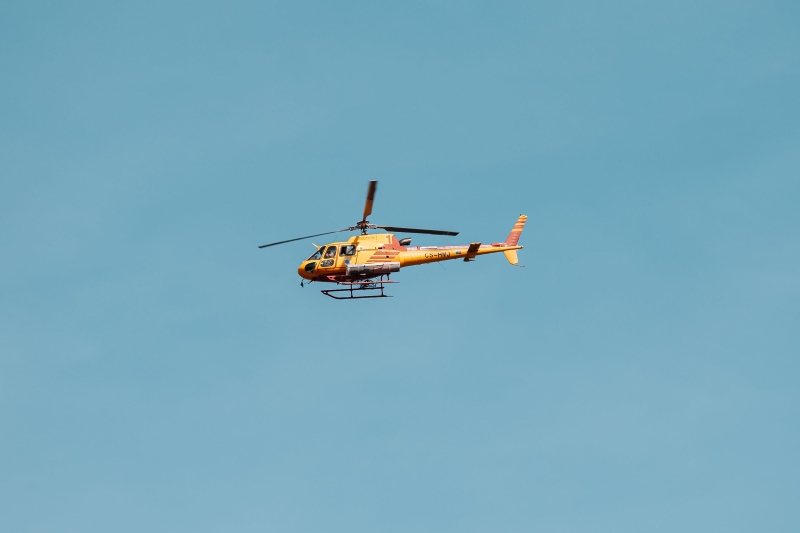
The helicopter departs Kathmandu and follows the standard route across the central mid-hills and into the Solukhumbu region, making a technical stop at Lukla.
From Lukla, the helicopter heads into the Hinku valley, passing above the lower valley trail and Kothe before continuing into the upper Hinku terrain. The landscape shifts progressively from forested valley to open, high-altitude glacial terrain as the helicopter climbs toward Thangnak, with the peaks of the Mera massif becoming increasingly dominant as the valley narrows and the elevation rises.
On arrival, rest completely for the first day. At 4,356 metres, the altitude gain from Kathmandu in a single morning is significant, and any physical exertion on the first day adds unnecessary risk. Drink fluids consistently, eat what you can manage, stay warm, and monitor symptoms carefully. For expedition teams, the days following arrival at Thangnak typically involve a structured acclimatisation schedule with rotations toward Khare and the Mera La before the summit attempt window opens.
From Thangnak, the trail continues north toward Khare — the primary Mera Peak acclimatisation and base camp village — and from Khare the high-altitude approach toward Mera La and ultimately the summit of Mera Peak begins. Every stage of the climbing itinerary above Thangnak is fully intact for teams arriving by helicopter, with the approach days below removed from the schedule.
Return transport from Thangnak can be arranged through Himalayan Helicopter via Lukla. Many expedition teams book their return flight at the same time as the outbound journey to secure availability on their planned descent date, particularly during the busy spring and autumn climbing seasons.
Pricing depends on whether you book a private charter or shared seat, group size, equipment requirements, and seasonal demand. Expedition teams with significant climbing gear should contact our team for a tailored quote.
Shared seat bookings are priced per passenger, the most economical option for individual trekkers and local residents travelling alongside other passengers.
Private charter bookings price the full aircraft for your group's exclusive use with full scheduling flexibility. This is the strongly recommended option for Mera Peak expedition teams and larger groups travelling with climbing equipment and supplies.
Please contact Himalayan Helicopter directly for current pricing, as rates vary by season, group size, equipment requirements, and demand.
The primary Mera Peak climbing season with the most stable high-altitude weather windows and reliable flying conditions in the upper Hinku valley. The most popular season for this flight, and advance booking is strongly recommended for expedition teams.
The second main Mera Peak climbing season with excellent post-monsoon visibility and stable conditions. A well-regarded season for both climbing and trekking in the Hinku valley.
Very cold at 4,356 metres with significant snow above Thangnak. Low visitor numbers and generally clear flying conditions, but the terrain above Thangnak becomes significantly more demanding in winter and expedition teams must be equipped accordingly.
The Hinku valley receives heavy monsoon rainfall and the upper terrain above Thangnak becomes challenging and potentially dangerous for climbing. This is not a recommended season for Mera Peak expeditions, and scheduling flexibility is essential for any flight during these months.
Mera Peak climbing expeditions — guided groups, independent teams, and solo climbers — who need the most time-efficient access to the upper Hinku valley to maximise their permit window for acclimatisation and summit attempts.
Trekkers heading deep into the Hinku valley who want to explore the remote upper valley terrain above Kothe without spending additional days on the lower approach trail.
Local residents of the upper Hinku valley — the families and seasonal herders around Thangnak and beyond — who depend on helicopter connectivity for medical emergencies, family travel, and essential logistical needs.
Expedition support and logistics teams positioning supplies, equipment, or personnel in the upper Hinku valley for broader Mera Peak operations.
Flying into the upper Hinku valley at 4,356 metres requires an operator with genuine experience in remote eastern Nepal mountain flying, familiarity with the terrain and weather of the Hinku corridor, and the operational capability to handle the specific demands of expedition logistics at this altitude and in this environment. Himalayan Helicopter brings all of this to the Kathmandu to Thangnak route, along with our commitment to the local communities of the upper Hinku valley whose dependence on this service goes far beyond climbing season tourism. When you fly with us to Thangnak, you fly with the operator that knows this valley, respects its communities, and takes the responsibility of every landing here with the full seriousness it deserves.
Position your Mera Peak expedition at the threshold of the high Hinku terrain, enter one of Nepal's most remote upper mountain valleys efficiently, or provide essential connectivity for the communities of the upper Hinku. Contact Himalayan Helicopter today to check availability, discuss expedition logistics, and book your Kathmandu to Thangnak helicopter flight.
Note: Group joining Date may vary on weather condition and number of people joined.
Kathmandu
Thagnak
Kathmandu
Thagnak
Kathmandu
Thagnak
Kathmandu
Thagnak
Kathmandu
Thagnak
Kathmandu
Thagnak
Kathmandu
Thagnak
Kathmandu
Thagnak
Kathmandu
Thagnak
Kathmandu
Thagnak
Kathmandu
Thagnak
Kathmandu
Thagnak
Kathmandu
Thagnak
Kathmandu
Thagnak
Kathmandu
Thagnak
Kathmandu
Thagnak
Kathmandu
Thagnak
Kathmandu
Thagnak
Kathmandu
Thagnak
Kathmandu
Thagnak
Kathmandu
Thagnak
Kathmandu
Thagnak
Kathmandu
Thagnak
Kathmandu
Thagnak
Kathmandu
Thagnak
Kathmandu
Thagnak
Kathmandu
Thagnak
Kathmandu
Thagnak
Kathmandu
Thagnak
Kathmandu
Thagnak
Yes. The helicopter flies from Kathmandu to Lukla and then continues deep into the upper Hinku valley to land directly at Thangnak at approximately 4,356 metres.
Kothe sits lower in the Hinku valley at approximately 3,600 metres and serves as a general entry point into the valley. Thangnak sits higher at approximately 4,356 metres and deeper into the upper valley, making it the more appropriate landing point for Mera Peak climbing teams who need to be positioned close to the high approach terrain above, and for those specifically working in the upper Hinku area.
Yes. Thangnak is the closest regularly served helicopter landing to the Mera Peak approach routes and base camp areas in the upper Hinku valley, with Khare — the primary base camp staging point — a further day's walk above.
This is a medical question that must be answered by your physician. We strongly recommend discussing both acetazolamide for prophylaxis and dexamethasone for emergency use with a qualified medical professional before booking this flight. For climbing expeditions, your expedition medical officer should be the primary resource for altitude medication planning.

 Maximum: 5 People/Helicopter
Best price guaranteed
Safe Tour Plan
Maximum: 5 People/Helicopter
Best price guaranteed
Safe Tour Plan
Response Time 0-2 Hours , Response Rate 100%
© 2026 All rights reserved. Himalayan Helicopters Pvt. Ltd.