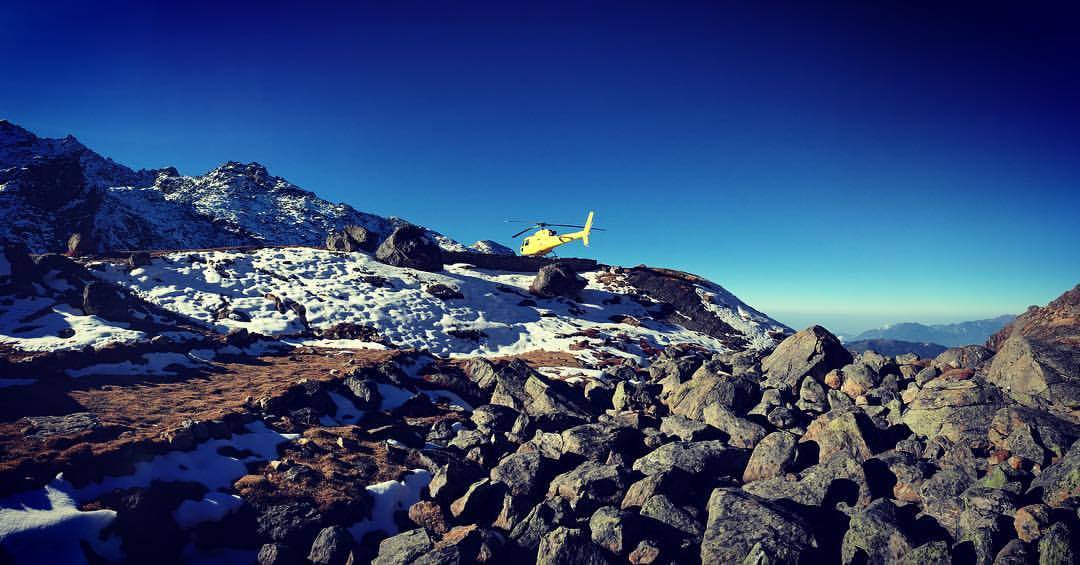
Can A Helicopter Fly Over The Himalayas?
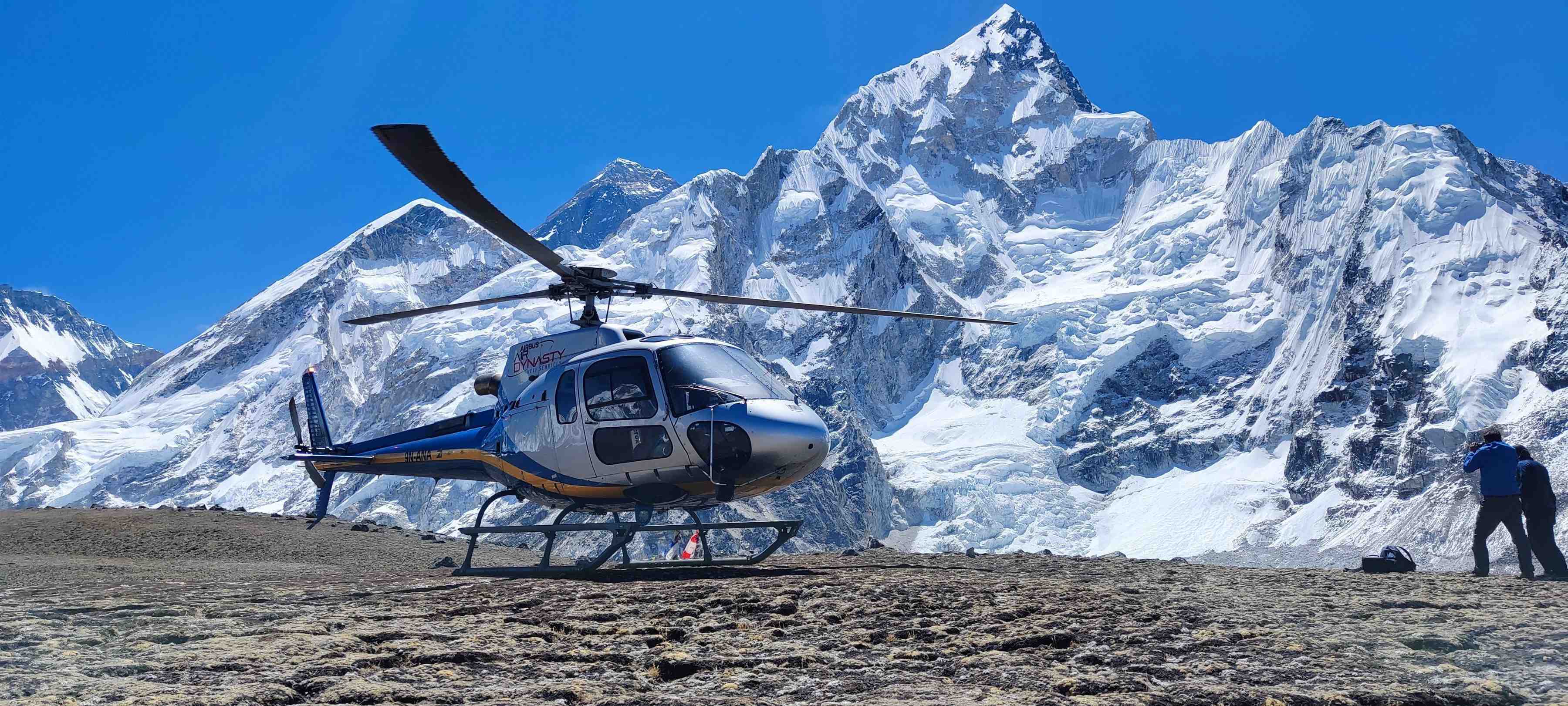
Can a Helicopter Fly Over the Himalayas?
Have you ever looked at the towering peaks of the Himalayas and wondered whether a helicopter can fly over them? The answer is a definite yes. Helicopters regularly operate throughout the Himalayan region, supporting rescue missions, transporting supplies, assisting trekkers, and providing scenic flights for tourists. While flying in the Himalayas is far more challenging than flying at lower elevations, modern helicopters and skilled pilots make these incredible journeys possible.
The Himalayas are known as the highest mountain range in the world, stretching across several countries and containing some of the most iconic peaks on Earth. Their extreme altitude, unpredictable weather, and rugged terrain create unique challenges for aviation. Despite these obstacles, helicopters have become an essential lifeline for many remote communities and adventurers exploring these majestic mountains.
Why Is Flying Over the Himalayas So Difficult?
One of the biggest challenges helicopters face in the Himalayas is the thin air found at high altitudes. As elevation increases, air density decreases, making it harder for helicopter rotors to generate lift. Engines also produce less power in these conditions, which can affect overall aircraft performance.
Have you ever considered how weather can change in the mountains within minutes? Strong winds, sudden snowstorms, cloud cover, and turbulence are common in the Himalayas. Pilots must constantly monitor weather conditions and carefully plan each flight to ensure safety.
In addition to weather challenges, mountain terrain can create powerful wind currents and downdrafts. Navigating through narrow valleys and around steep peaks requires exceptional skill and experience. This is why Himalayan helicopter pilots undergo specialized mountain flying training before operating in these regions.
How High Can Helicopters Fly?
The maximum altitude a helicopter can reach depends on its design, engine power, weight, and environmental conditions. Many helicopters operate effectively at altitudes above 15,000 feet (4,572 meters), while specialized high-altitude models can perform missions above 20,000 feet (6,096 meters).
Advanced helicopters designed for mountain operations are equipped with powerful engines and lightweight structures that help them perform in challenging environments. These aircraft are specifically engineered to handle the reduced air density encountered at extreme elevations.
Can Helicopters Fly Near Mount Everest?
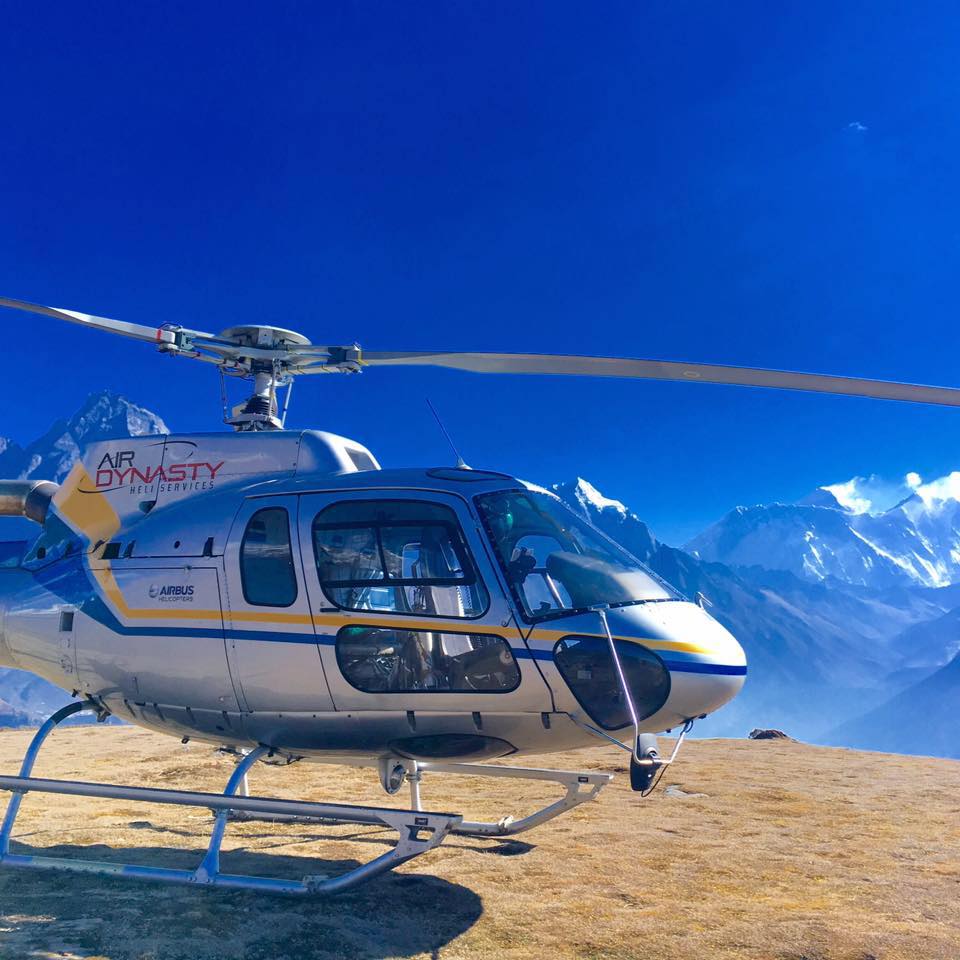
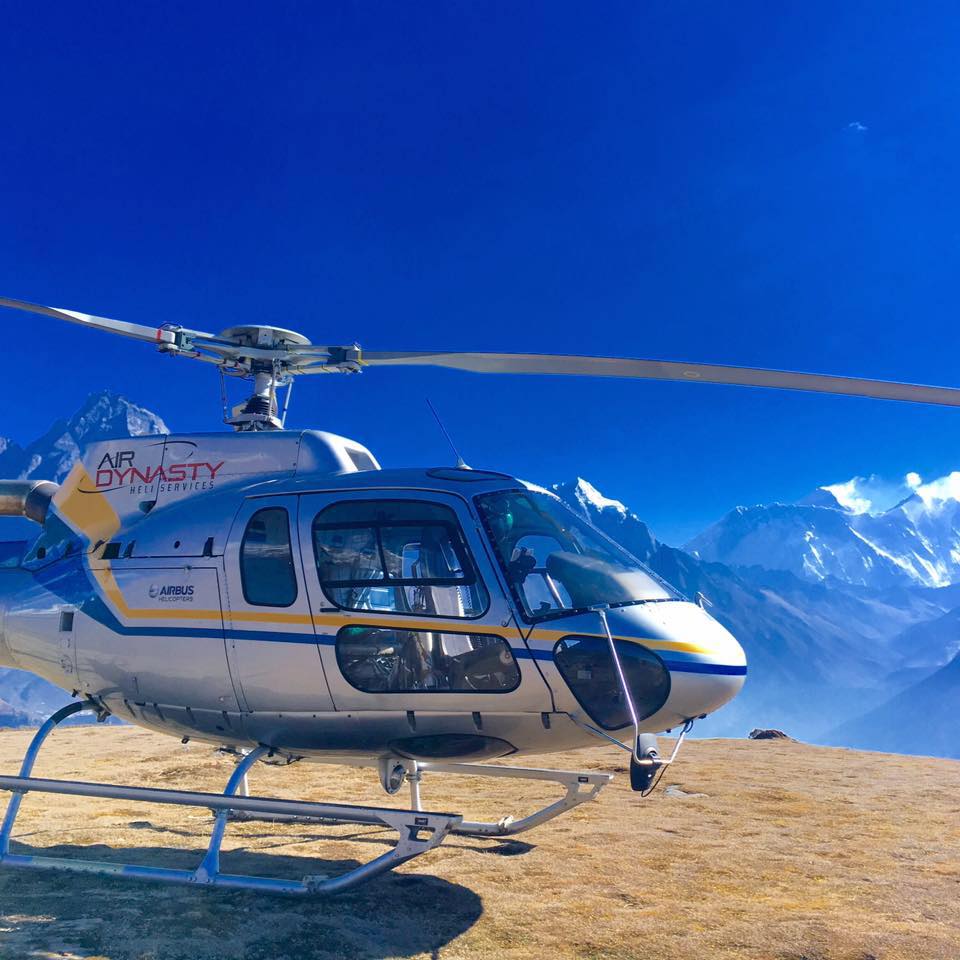
This is one of the most common questions about Himalayan aviation. Helicopters frequently operate in the Everest region and are often used for rescue missions, medical evacuations, and supply transportation. While flying near Mount Everest is possible, operating at such extreme altitudes requires favorable weather conditions, specialized equipment, and highly experienced pilots.
Would you be surprised to learn that helicopters have conducted rescue operations at some of the highest elevations ever attempted? These remarkable missions demonstrate both the capabilities of modern aircraft and the expertise of mountain pilots who navigate some of the most demanding environments on the planet.
What Are Helicopters Used for in the Himalayas?
Helicopters perform a wide range of important tasks throughout the Himalayan region. They transport food, medical supplies, and essential goods to remote villages that may be difficult to access by road. They also support trekking and mountaineering expeditions by carrying equipment and assisting climbers.
Emergency rescue operations are among the most critical uses of helicopters in the Himalayas. When trekkers suffer injuries, altitude sickness, or become stranded due to severe weather, helicopters often provide the fastest route to safety. Their ability to land in remote locations makes them invaluable during emergencies.
Tourism is another major area where helicopters play a significant role. Scenic helicopter tours allow visitors to enjoy breathtaking aerial views of snow-capped mountains, glaciers, and valleys that would otherwise take days to reach on foot.
What Skills Do Himalayan Helicopter Pilots Need?
Flying in mountainous environments requires far more than basic aviation skills. Pilots must understand mountain weather patterns, high-altitude aircraft performance, emergency procedures, and terrain navigation. They must also make quick decisions when weather conditions change unexpectedly.
Imagine flying through a remote mountain valley surrounded by towering peaks while monitoring wind conditions, fuel levels, and aircraft performance all at the same time. This level of concentration and expertise is what makes Himalayan helicopter pilots some of the most skilled aviators in the world.
The Future of Helicopter Operations in the Himalayas
Technology continues to improve helicopter performance in high-altitude environments. Modern aircraft feature more efficient engines, advanced navigation systems, enhanced safety equipment, and improved weather-monitoring capabilities. These innovations help increase reliability and expand the range of missions helicopters can perform throughout the Himalayas.
As tourism, scientific research, and emergency response needs continue to grow, helicopters will remain a vital part of life in the Himalayan region. Their unique ability to access remote and challenging terrain ensures they will continue serving communities and adventurers for years to come.
Conclusion
So, can a helicopter fly over the Himalayas? Absolutely. Despite extreme altitudes, challenging weather, and rugged terrain, helicopters successfully operate throughout the Himalayan region every day. Whether conducting life-saving rescues, delivering supplies to remote villages, supporting mountaineering expeditions, or providing unforgettable sightseeing experiences, these aircraft demonstrate the remarkable possibilities of modern aviation.
The next time you admire the stunning peaks of the Himalayas, ask yourself this question: What incredible stories are unfolding high above those mountains today? Chances are, a helicopter may be playing a key role in one of them.
On 24 Jun 2026
Recent From Blogs
15 Jun 2026


05 Sep 2026