The Ultimate Guide For Everest Trekkers
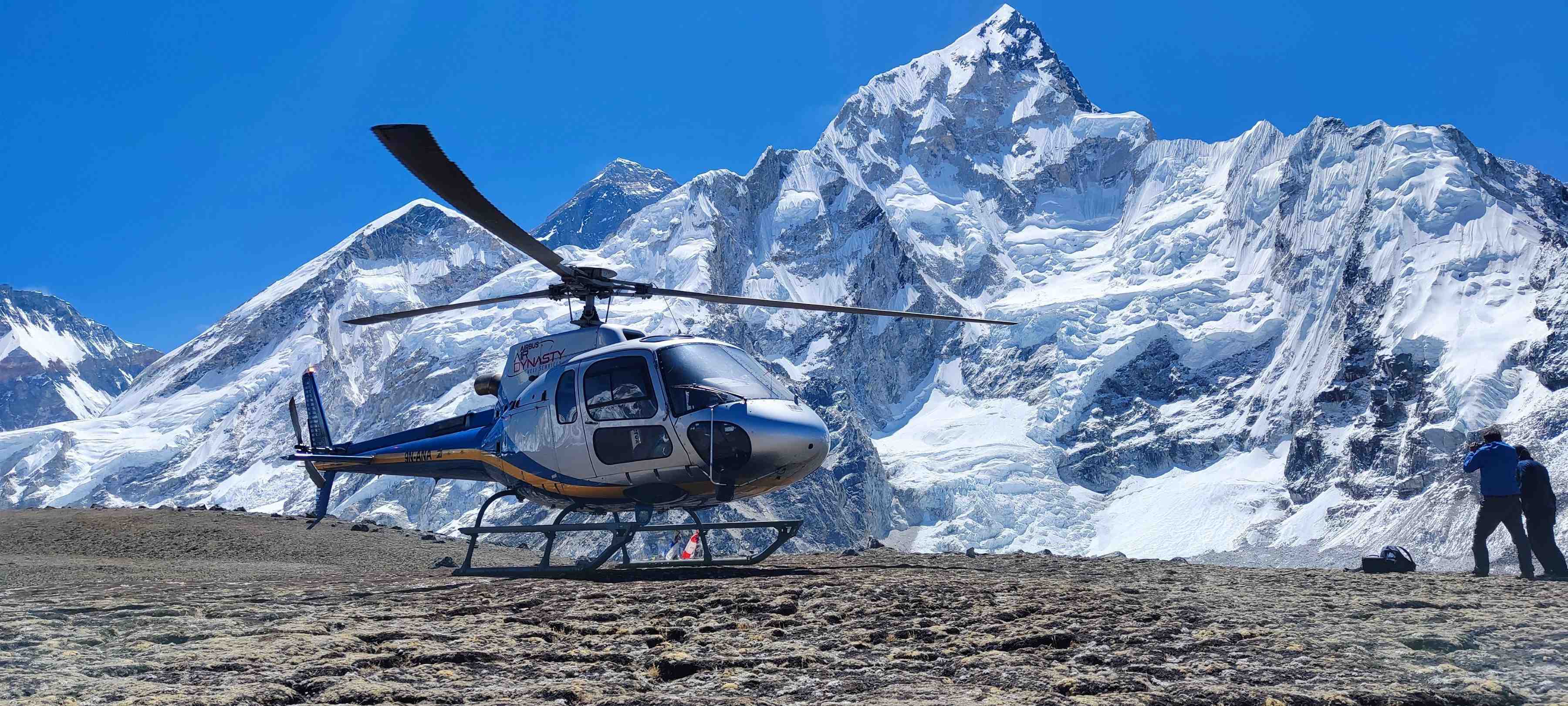
Autumn (September to November) is the busiest trekking season in Nepal, attracting thousands of adventurers heading to the Everest region. For most trekkers, the journey begins with a flight between Kathmandu and Lukla, the gateway to Everest Base Camp. However, securing these flights during peak season can be challenging due to high demand, weather disruptions, and limited seat availability.
If you're planning an Everest trek this autumn, here are essential booking tips to help ensure a smooth journey to and from Lukla.
Why Autumn Is the Busiest Season
Autumn offers stable weather, clear mountain views, and comfortable trekking temperatures. These ideal conditions make it the preferred season for Everest Base Camp, Gokyo Lakes, and Three Passes treks.
As a result:
- Flights sell out weeks or even months in advance.
- Last-minute bookings are difficult.
- Weather-related delays can create scheduling challenges.
Planning ahead is crucial.
Book Your Lukla Flights Early
One of the most important tips is to reserve your flight as soon as your trekking dates are confirmed.
Recommended Booking Timeline
- International trekkers: 2–4 months in advance
- Peak October departures: 3–6 months in advance
- Group trekkers: Even earlier for guaranteed seats
Early booking gives you:
- Better flight time options
- More flexibility with travel dates
- Reduced stress before your trek
Understand the Kathmandu–Lukla Flight Arrangement
During the peak autumn season, many Lukla flights operate from Ramechhap Airport instead of Kathmandu Airport due to air traffic congestion in Kathmandu.
Trekkers may need to:
- Travel from Kathmandu to Ramechhap (approximately 4–5 hours by road).
- Take an early morning flight from Ramechhap to Lukla.
Before booking, confirm:
- Departure airport
- Transportation arrangements
- Reporting time
Missing a transfer can result in losing your flight.
Add Buffer Days to Your Itinerary
Weather in the Himalayas can change rapidly. Even during autumn, fog, strong winds, or low visibility may cause delays or cancellations.
Recommended Buffer
- At least 1–2 extra days before your international departure
- Additional flexibility if your schedule allows
Buffer days can prevent costly changes to international flights.
Choose Morning Flights Whenever Possible
Most Lukla flights operate early in the morning when weather conditions are generally calmer and visibility is better.
Benefits include:
- Lower risk of cancellation
- Greater chance of flying on schedule
- More time to begin trekking upon arrival
Avoid relying on afternoon travel plans after your flight.
Keep Travel Insurance Updated
Comprehensive travel insurance is highly recommended for Everest region travel.
Your policy should ideally cover:
- Flight delays and cancellations
- Emergency evacuation
- Medical treatment
- Trip interruptions
Always review policy details before departure.
Confirm Baggage Limits
Lukla flights use small aircraft with strict weight restrictions.
Typical baggage allowances include:
- Checked baggage: around 10 kg
- Hand carry: around 5 kg
Excess baggage may incur additional charges or be transported on a later flight.
Pack efficiently and weigh your bags before heading to the airport.
Stay Flexible for the Return Flight
The Lukla to Kathmandu journey can be less predictable than the outbound flight.
Tips for your return:
- Avoid booking international departures on the same day.
- Monitor weather forecasts.
- Stay in contact with your trekking agency or airline.
- Keep essential items in your daypack in case of delays.
Flexibility is one of the best tools for stress-free Himalayan travel.
Work with a Reliable Trekking Agency
Experienced trekking agencies often have better access to flight updates, rebooking assistance, and logistical support.
They can help with:
- Flight reservations
- Date changes
- Airport transfers
- Emergency arrangements
This support becomes especially valuable during peak trekking periods.
Final Thoughts
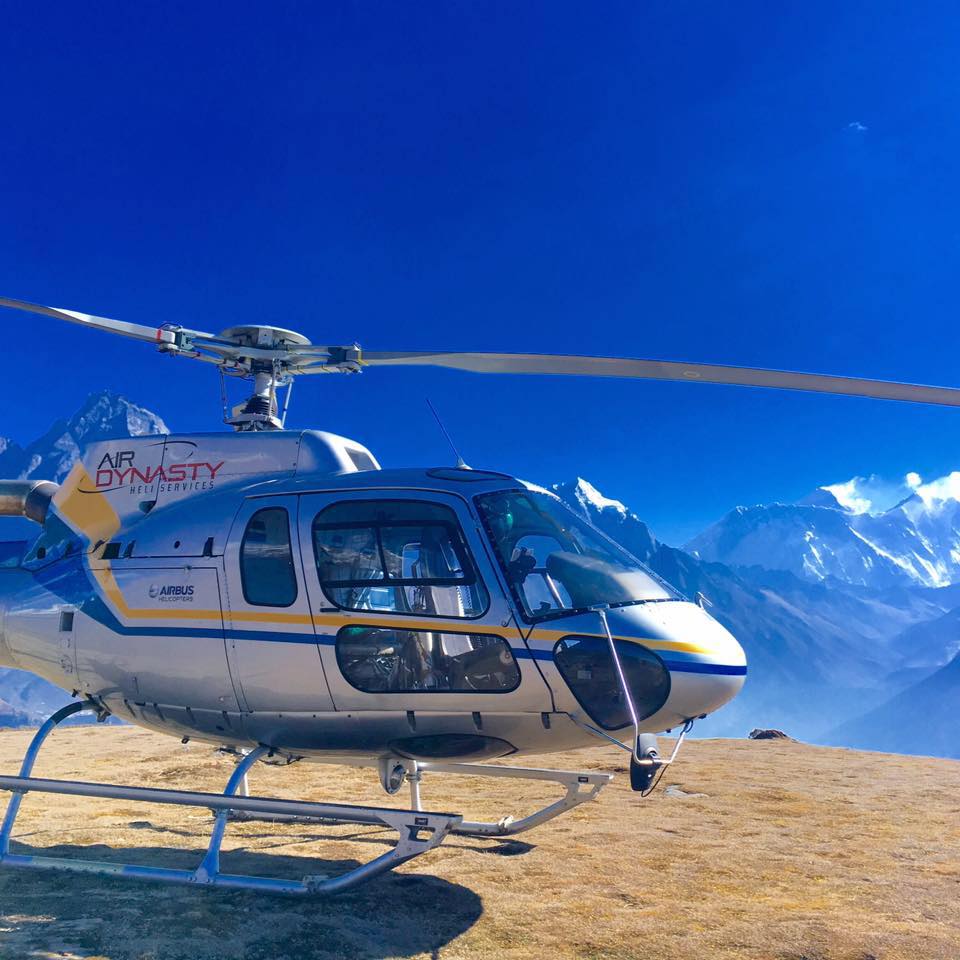
Flying between Kathmandu and Lukla is an unforgettable part of any Everest adventure. However, autumn's popularity means travelers should plan well in advance. By booking early, allowing extra buffer days, understanding airport arrangements, and remaining flexible, you can significantly reduce travel stress and focus on enjoying the incredible Himalayan experience ahead.
A little preparation goes a long way when it comes to securing your seat on one of the world's most scenic mountain flights.
On 15 Jun 2026
Recent From Blogs
24 Jun 2026


05 Sep 2026